 Image 1 of 5
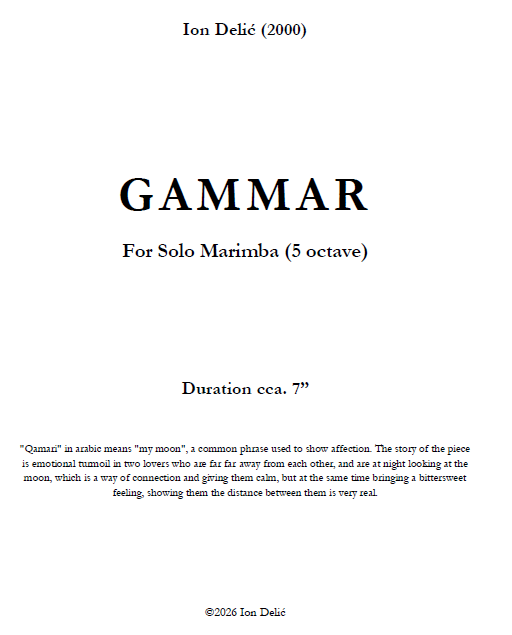 Image 2 of 5
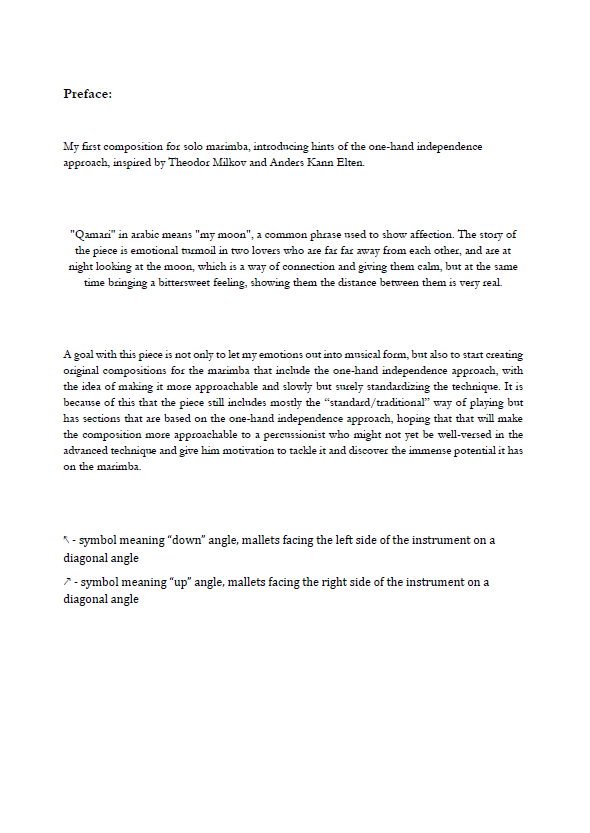 Image 3 of 5
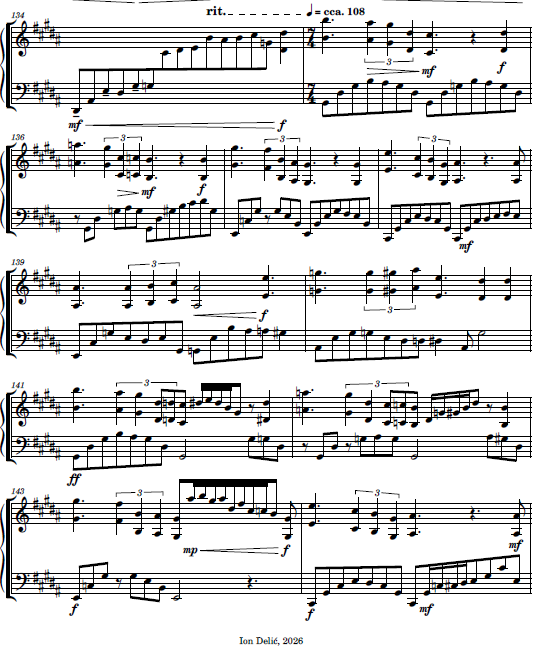 Image 4 of 5
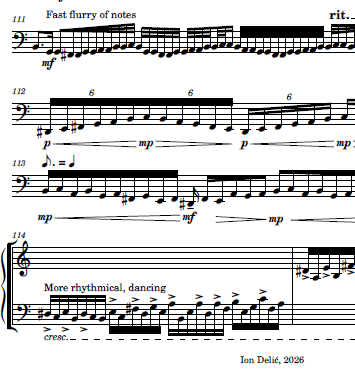 Image 5 of 5
Difficulty: Advanced
Duration: cca. 7min 30sec
My first composition for solo marimba, introducing hints of the one-hand independence approach, inspired by Theodor Milkov and Anders Elten.
"Qamari" in arabic means "my moon", a common phrase used to show affection. The story of the piece is emotional turmoil in two lovers who are far far away from each other, and are at night looking at the moon, which is a way of connection and giving them calm, but at the same time bringing a bittersweet feeling, showing them the distance between them is very real.
A goal with this piece is not only to let my emotions out into musical form, but also to start creating original compositions for the marimba that include the one-hand independence approach, with the idea of making it more approachable and slowly but surely standardizing the technique. It is because of this that the piece still includes mostly the “standard/traditional” way of playing but has sections that are based on the one-hand independence approach, hoping that that will make the composition more approachable to a percussionist who might not yet be well-versed in the advanced technique and give him motivation to tackle it and discover the immense potential it has on the marimba.